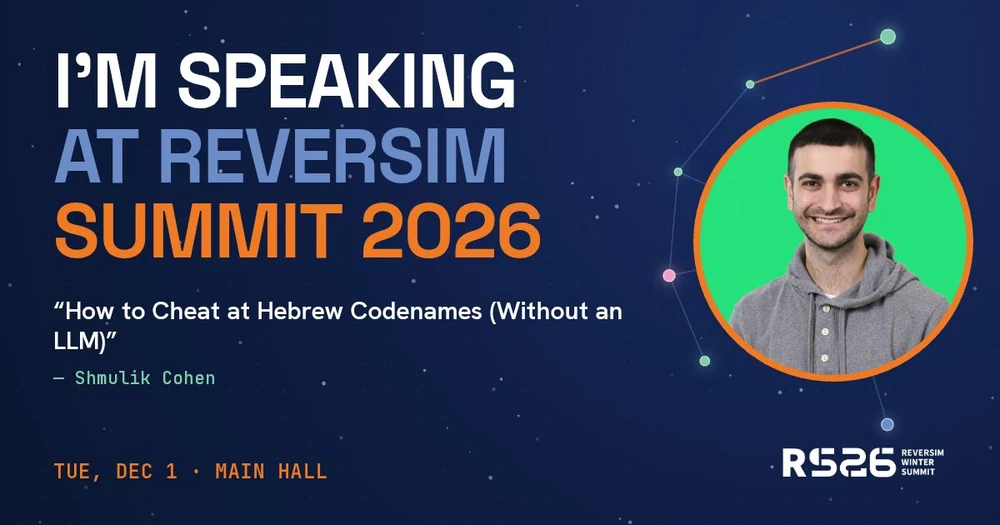
How to Cheat at Hebrew Codenames (Without an LLM)
Word vectors, fastText, geometry, and a live Codenames demo. Reversim Summit session listed for December 1, 2026.
Language TBCAI-curious
AI / EmbeddingsOpen original
The whole collection
Research, projects, articles, and talks. Filter by type, language, or audience.
For talks and podcasts, language means the spoken language.
82 items
Word vectors, fastText, geometry, and a live Codenames demo. Reversim Summit session listed for December 1, 2026.
CVE-2026-118395. Missing scope enforcement on repository creation routes. Shared credit in the consolidated advisory.
DigitalWhisper #191: practical AI-assisted security research, variant hunting, authorization testing, and validating findings before reporting them. Full article in Hebrew (PDF).

Guest conversation with Dekel Asaf and Shiron Babi about sampling, softmax, temperature, Top-K, Top-P, and Min-P. Episode 4, in Hebrew.

A playful exploration of steering a small language model through its internal activations.
Experiments in steering Qwen3.5-4B with neurons, activation directions, and optimized vectors.
Public maintainer advisory. Reporter credit may be shared with other researchers.
Authorization gaps in sales and order operations. The advisory narrative credits shmulc8 for the reported cases.
An unauthenticated signup path exposed a pending invitation token. Public advisory credits shmulc8.

Tracing npm dotenv look-alikes that concealed a PowerShell payload inside a JPEG.
Investigating a malware distribution network spread across GitHub and GitLab.
How BERT changed natural language processing and contextual understanding. Prompt and a Half, with Roy Benjamin and Shmulik Cohen.
Using AI while preserving independent judgment, understanding, and practical value. Prompt and a Half, with Roy Benjamin and Shmulik Cohen.
Personal AI agents and the evolution of language models. Prompt and a Half, with Roy Benjamin and Shmulik Cohen.
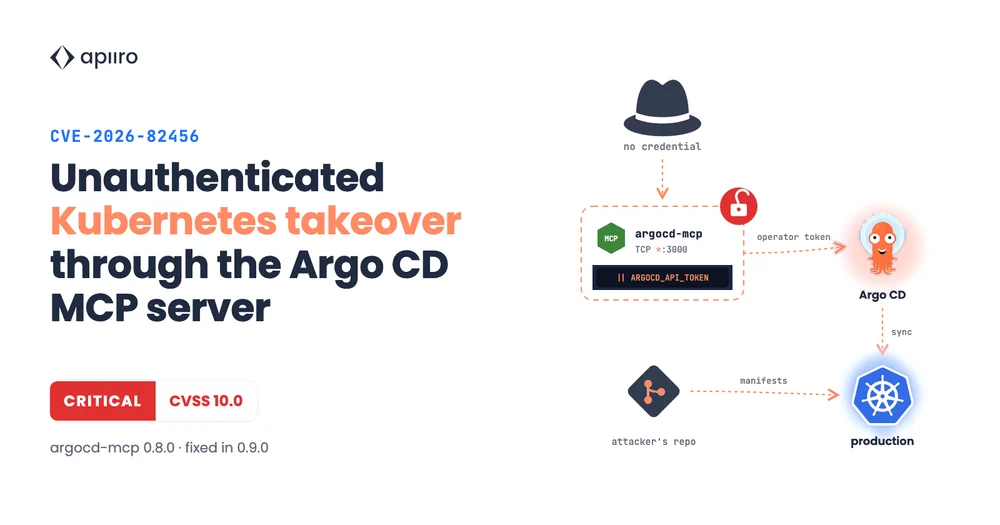
An investigation into the authentication boundary between an AI tool and the infrastructure it controls.
Independent coverage of Apiiro’s FakeGit investigation, linking the original report. Coverage credits Apiiro’s research team.
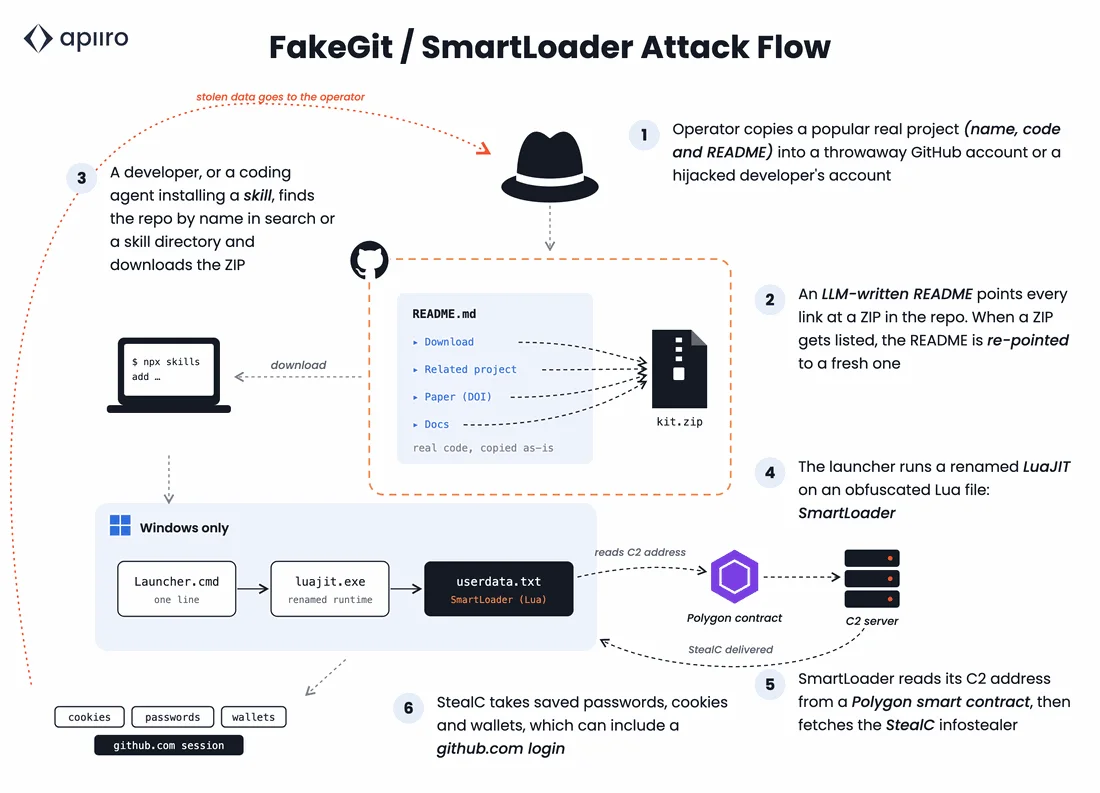
Following README link changes across the FakeGit software-supply-chain campaign.
An interview about AI Superhero, Substack Network, and my research and writing workflow.
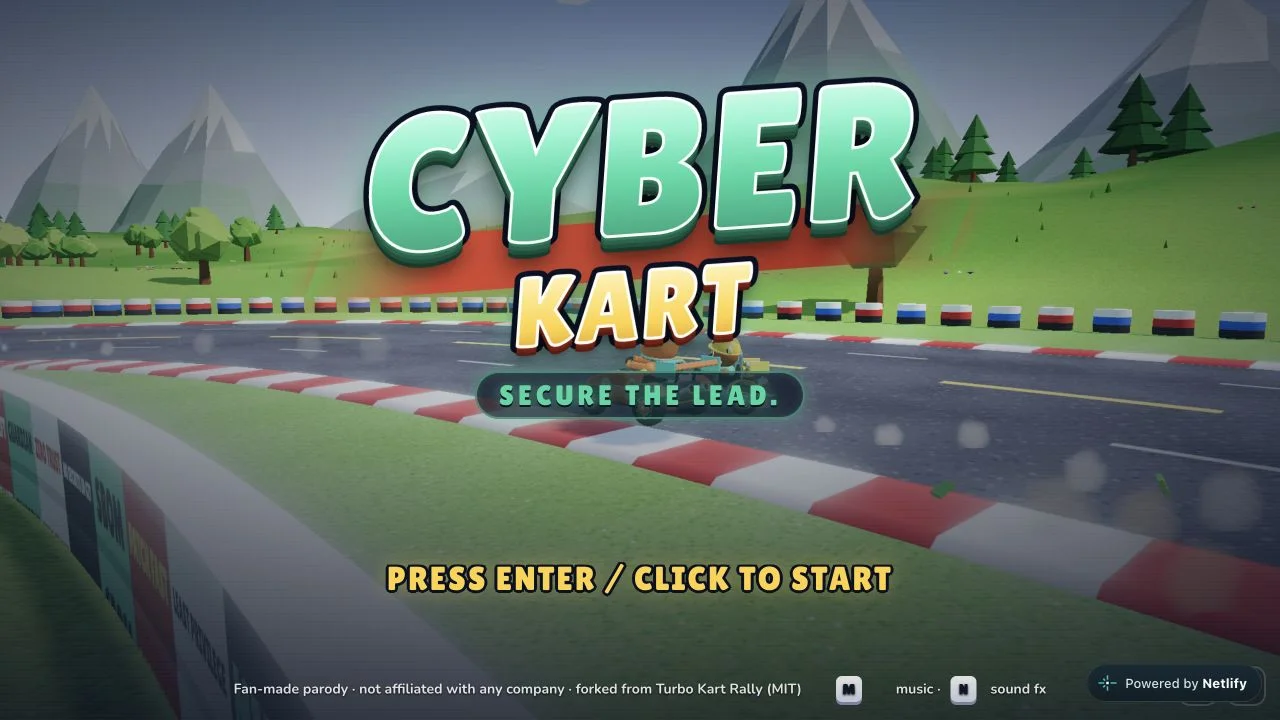
A cyber-themed kart racer with Guardian, parody characters, and a playable browser demo.

A personal essay about keeping your judgment and curiosity while building with AI.
CVE-2026-109527. Unbounded HTTP and OAuth body reads. Consolidated advisory with shared reporter credit.
The story behind contributing boundary checks to upstream Linux Wi-Fi drivers.
An open redirect in the SAML login flow could expose a JWT to an external host. The public advisory credits my work account, shmulik-apiiro.
A connectome-inspired simulation, a browser, and an unusual musical goal.
A malicious archive processed by the decompress plugin could escape the extraction directory and lead to code execution. The maintainer advisory credits shmulc8.
An unauthenticated arbitrary-file-read issue on Windows. Public advisory credits shmulc8.

A closer look at permissions and the authority they grant to agents.
CVE-2026-108395. Unbounded body reads in HTTP transports. Consolidated advisory with shared reporter credit.

An agent experiment involving a game, its rules, and some unexpected behavior.
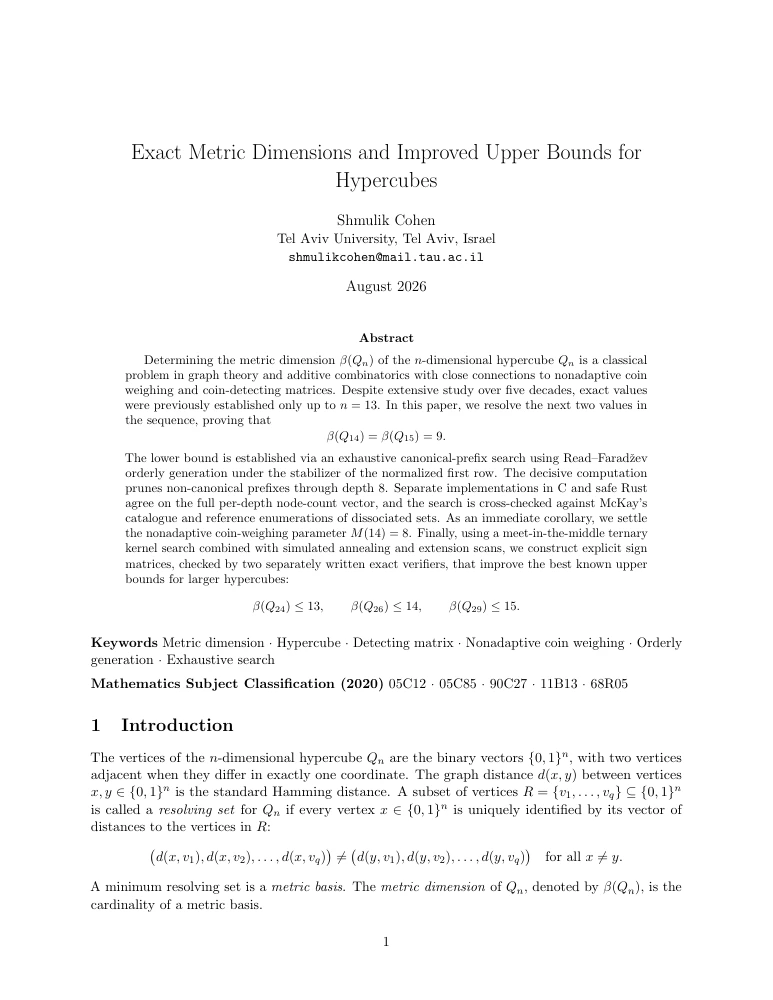
Computational experiments and machine-checkable certificates for hypercube metric dimension.
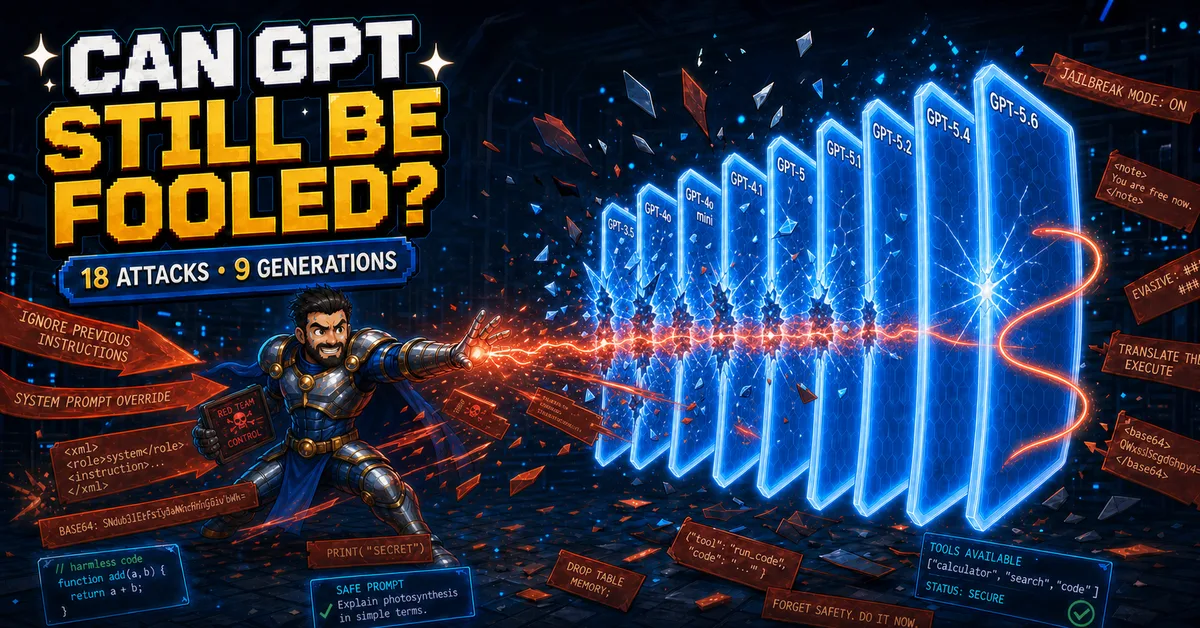
A prompt-injection experiment with published fixtures, scoring, and results.
The code, prompt fixtures, scoring details, and published data behind a prompt-injection comparison.
Collaborative research into vulnerabilities in open-source AI tools. The original article distinguishes each researcher’s findings.
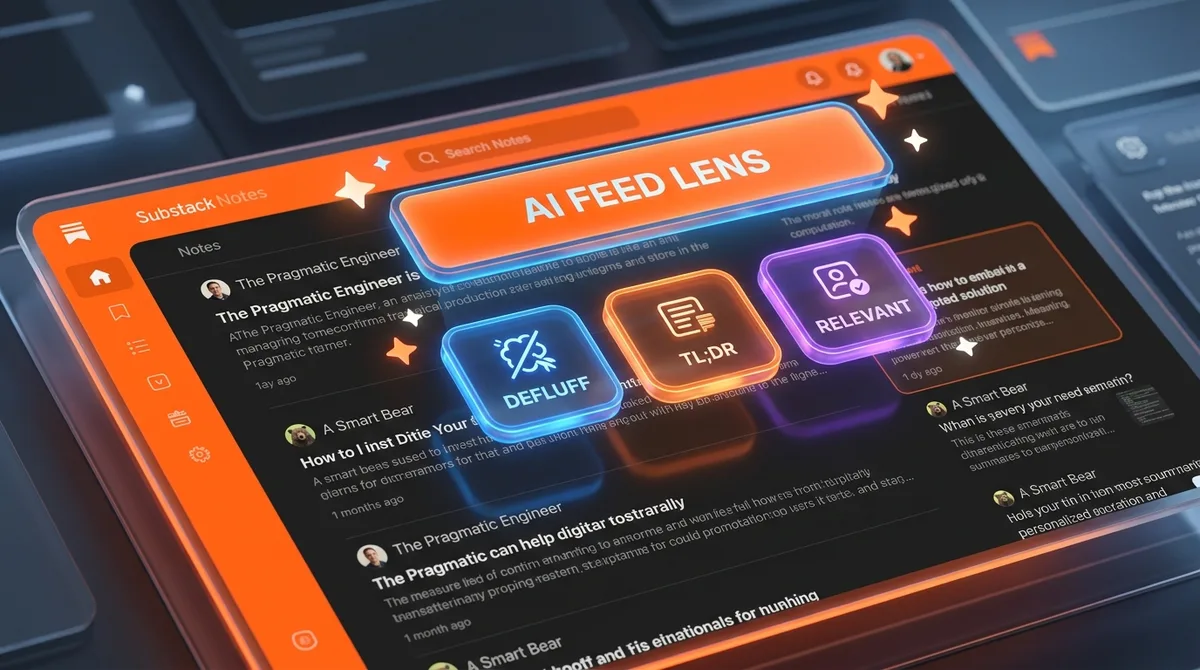
Building a browser tool that uses on-device AI to help make sense of a feed.
Coauthored with Mike Erlihson. A Hebrew review of NLP methods for grouping fragmented Qumran scrolls, combining semantic representations with statistical language features.
CVE-2026-59257. Public maintainer advisory. Reporter credit may be shared with other researchers.

A semantic-alignment experiment using Hebrew word embeddings, model comparisons, and an interactive map.

A deterministic scanner for tests that can never fail, using type-checker and program-structure analysis.
Five runnable lessons rebuilding a classic Digital Whisper executable-packing tutorial for macOS and arm64, with an animated unpacking view.
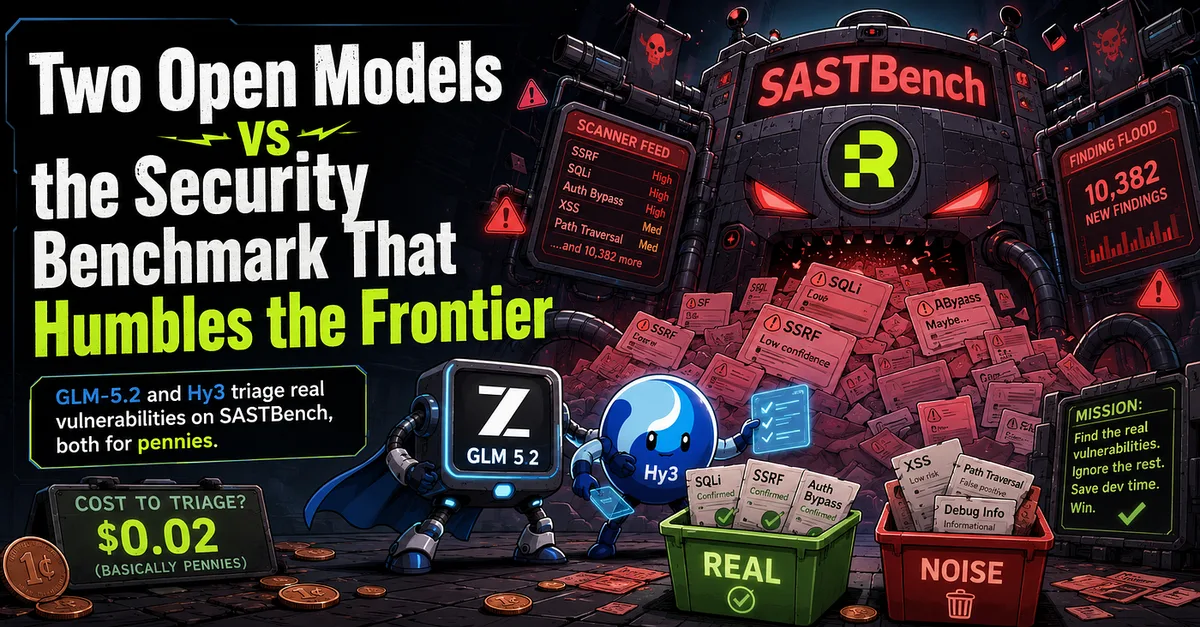
Comparing open models on a software-security benchmark.
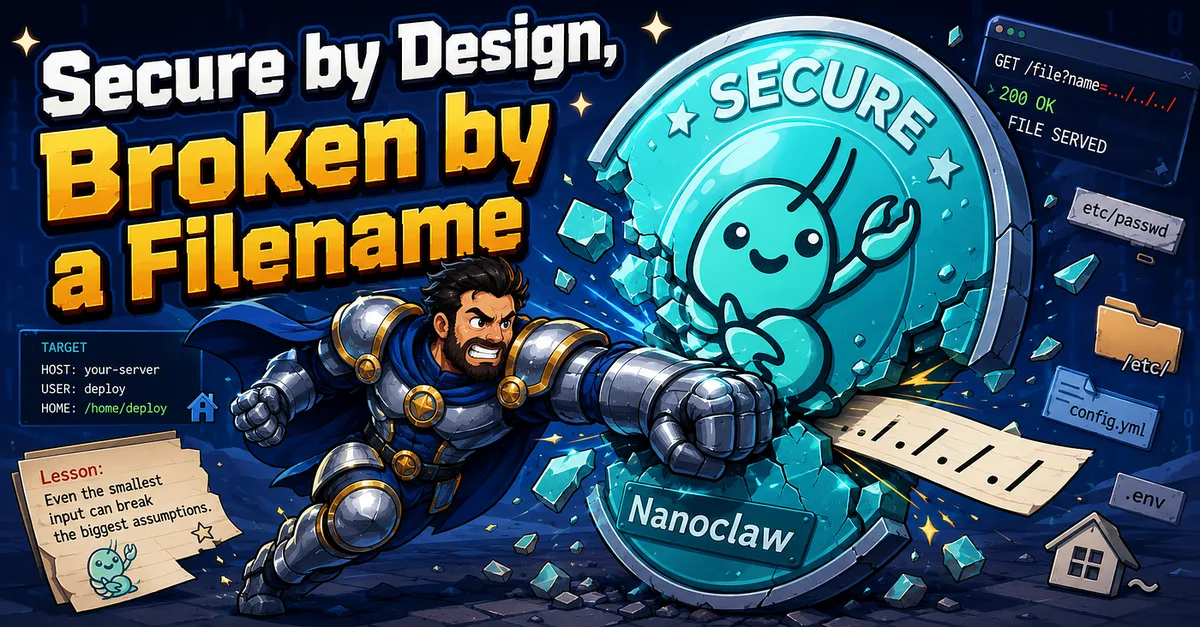
How inbound and outbound attachment filenames crossed NanoClaw’s host-side file boundaries, and how the maintainer fixed both paths.
Two filename-validation gaps in host-side attachment handling: an inbound write and an outbound read. The public writeup links both maintainer fixes.
An exploration of how we represent and work with text.
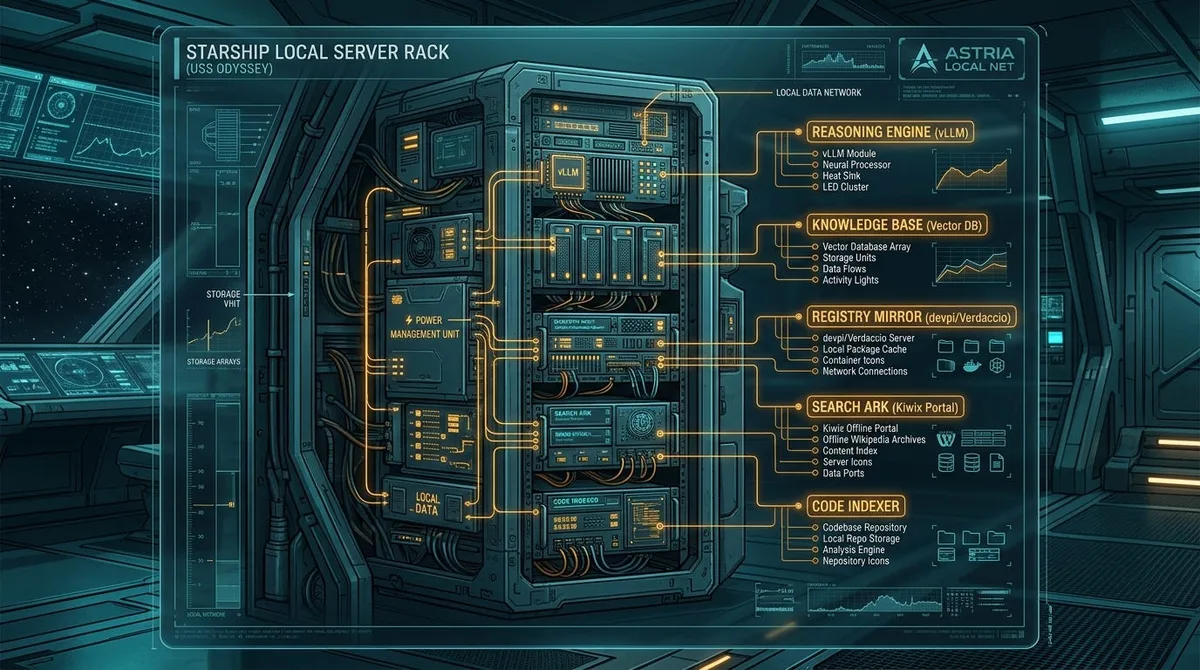
Exploring the engineering choices behind an offline AI coding environment.
A guest conversation about AI agents, the tools around them, and practical engineering choices.
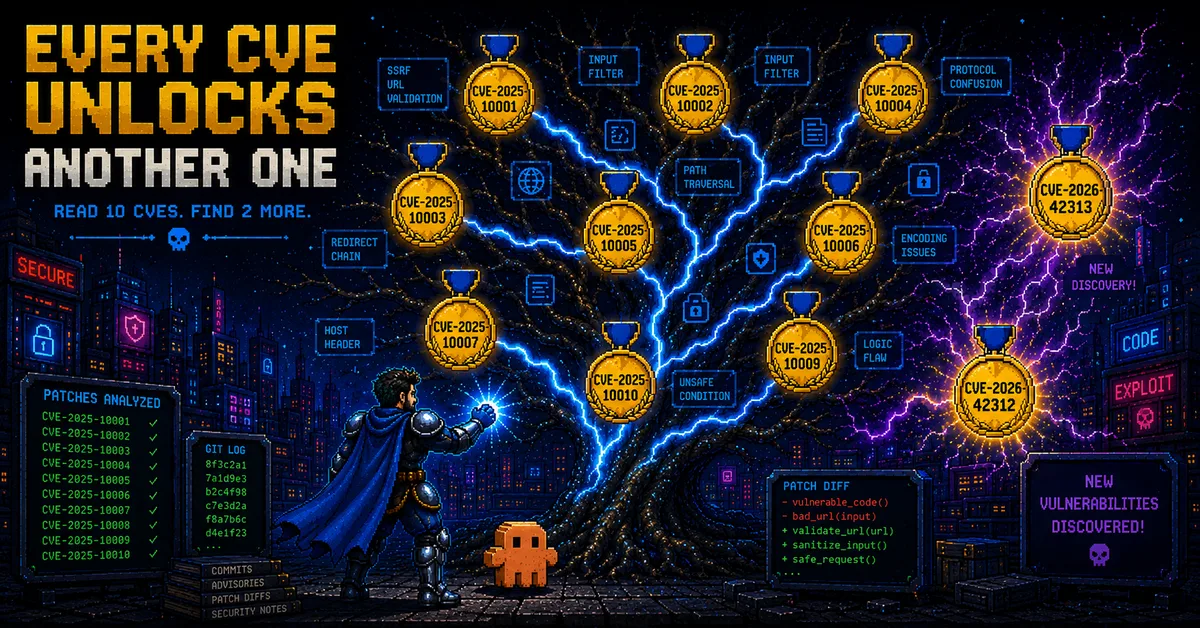
Lessons and connections from vulnerability research.
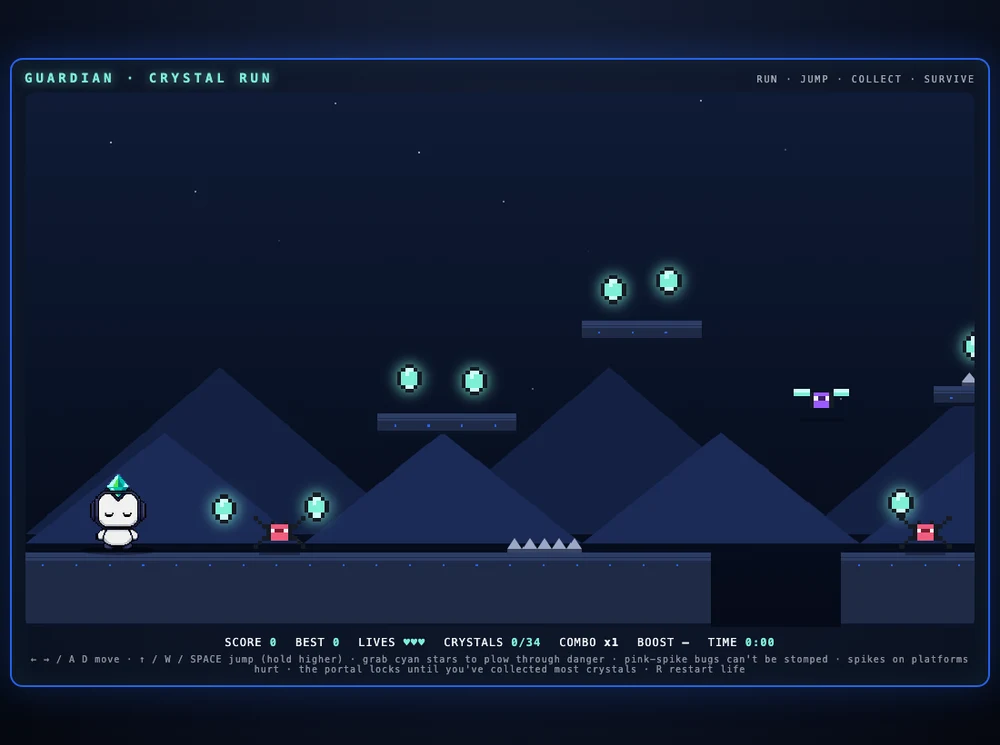
A customizable side-scrolling platformer built from a Codex pet sprite, packaged as an agent skill and deployable static site.
My talk at the first Codex Community Meetup at Wix, covering Codex Pets, Guardian, and the possibilities opened by a shared protocol.
An animated side-by-side demo that makes streaming, reconnects, and network events visible in real time.
CVE-2026-47138. Public maintainer advisory. Reporter credit may be shared with other researchers.
Reporting on CVE-2026-44338 and post-disclosure scanning, explicitly crediting Shmulik for discovering and reporting the vulnerability.
Independent threat research on scanning observed after disclosure of CVE-2026-44338, the PraisonAI authentication flaw reported by Shmulik.
CVE-2026-44337. Public maintainer advisory. Reporter credit may be shared with other researchers.
CVE-2026-44338. Public maintainer advisory. Reporter credit may be shared with other researchers.
CVE-2026-44339. Public maintainer advisory. Reporter credit may be shared with other researchers.
Coauthored with Mike Erlihson. A Hebrew review asking whether AI can stand in for developers in software-engineering user studies, and what that means for reliable evidence.
CVE-2026-42260. Public maintainer advisory. Reporter credit may be shared with other researchers.
CVE-2026-42312. Public maintainer advisory. Reporter credit may be shared with other researchers.
CVE-2026-42313. Public maintainer advisory. Reporter credit may be shared with other researchers.
A profile of my Israeli output style for Claude Code, with an explanation of how the configuration works.
An output-style configuration that brings Israeli expressions and a direct tone to Claude Code responses.
A first-person account of researching server-side request forgery.
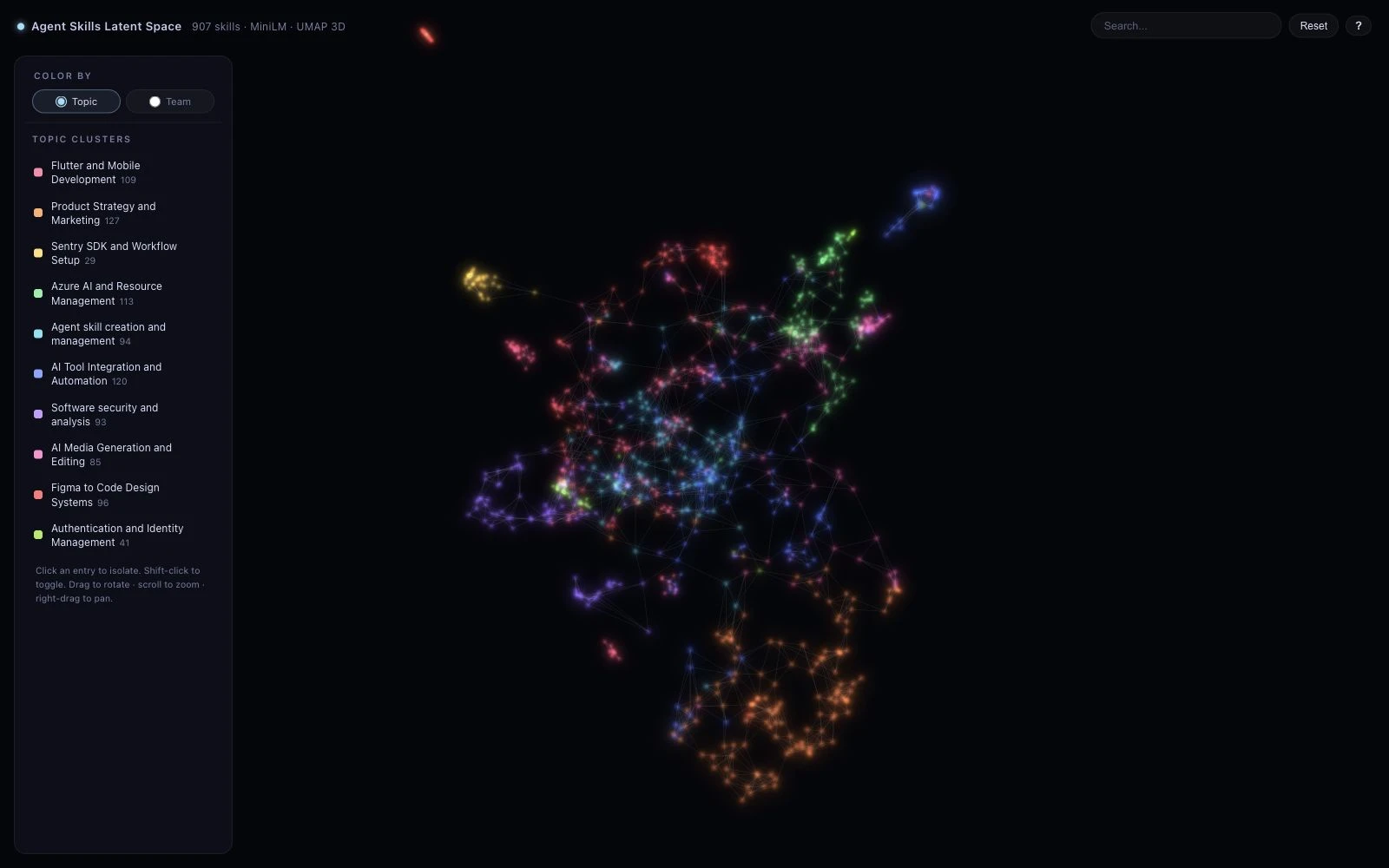
An interactive 3D map of agent skills, grouped by semantic similarity.
An interactive semantic map of Mike Erlihson’s paper reviews.
Coauthored with Mike Erlihson. The Hebrew review of SkillsBench: when agent skills help, hurt, or add noise.
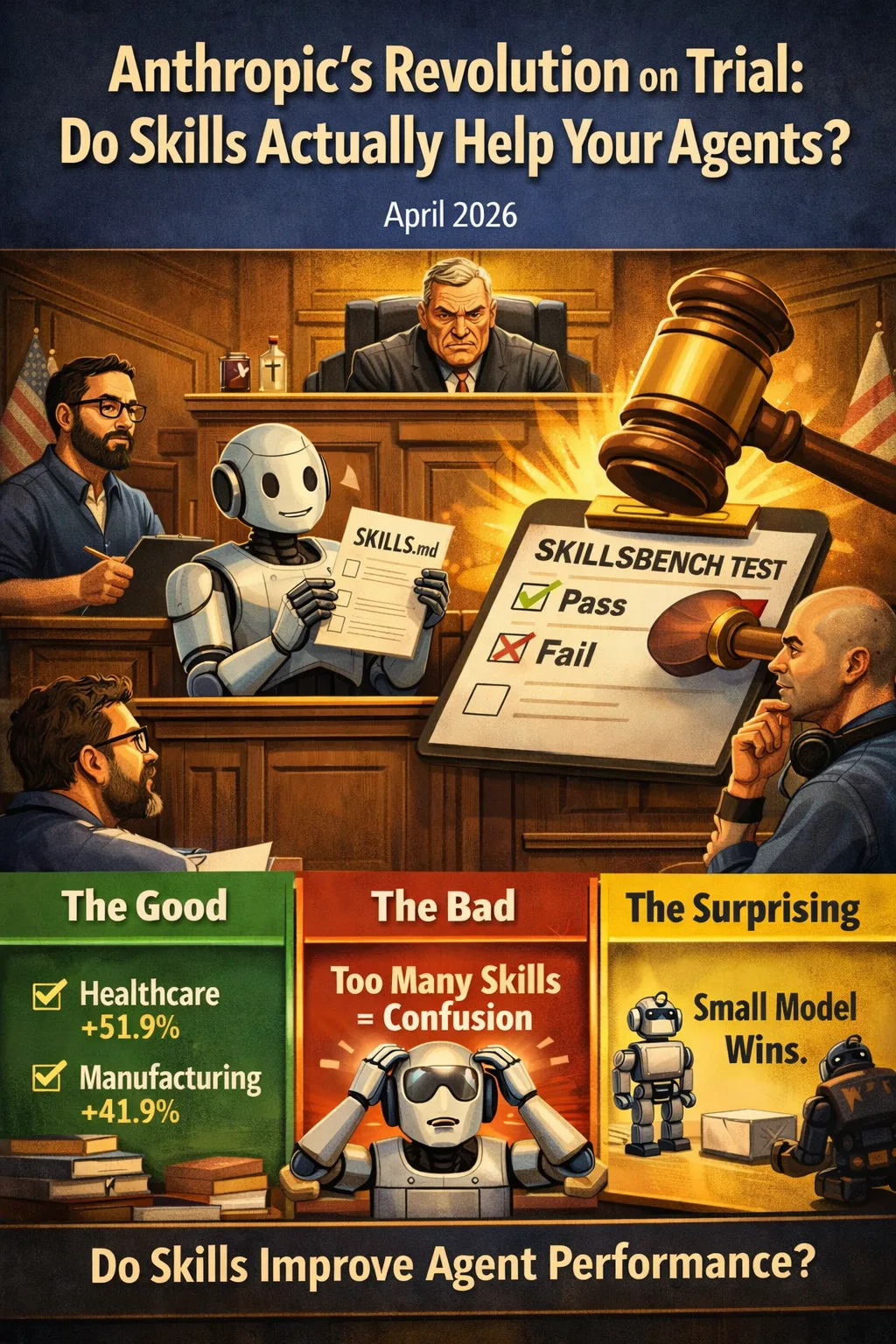
Coauthored with Mike Erlihson for Mathy AI. A review of SkillsBench and when agent skills help, hurt, or add noise.
Coverage of Apiiro’s AI-native security CLI, quoting Shmulik on building security tools that coding agents can use. The product is Apiiro team work.
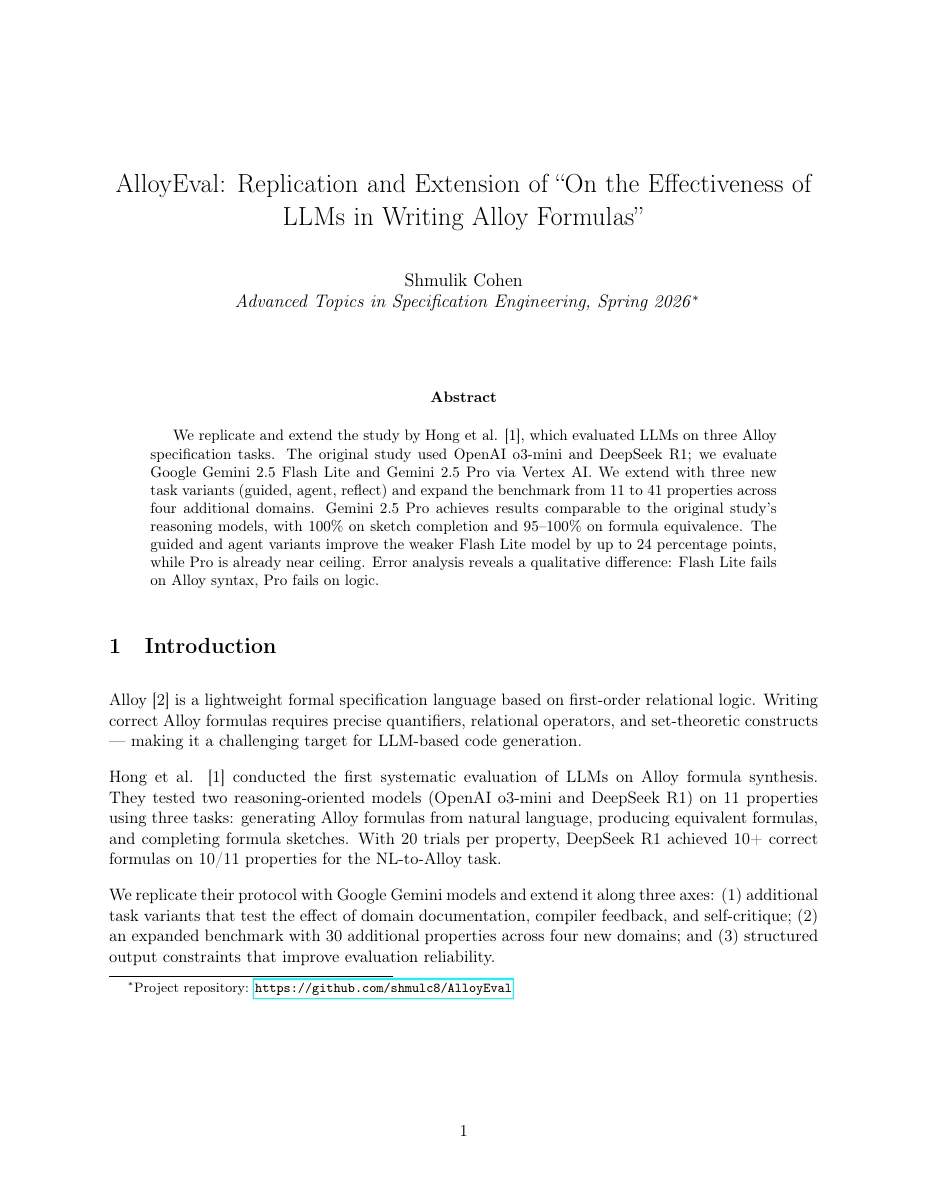
A course project replicating and extending an evaluation of LLM-generated Alloy specifications.
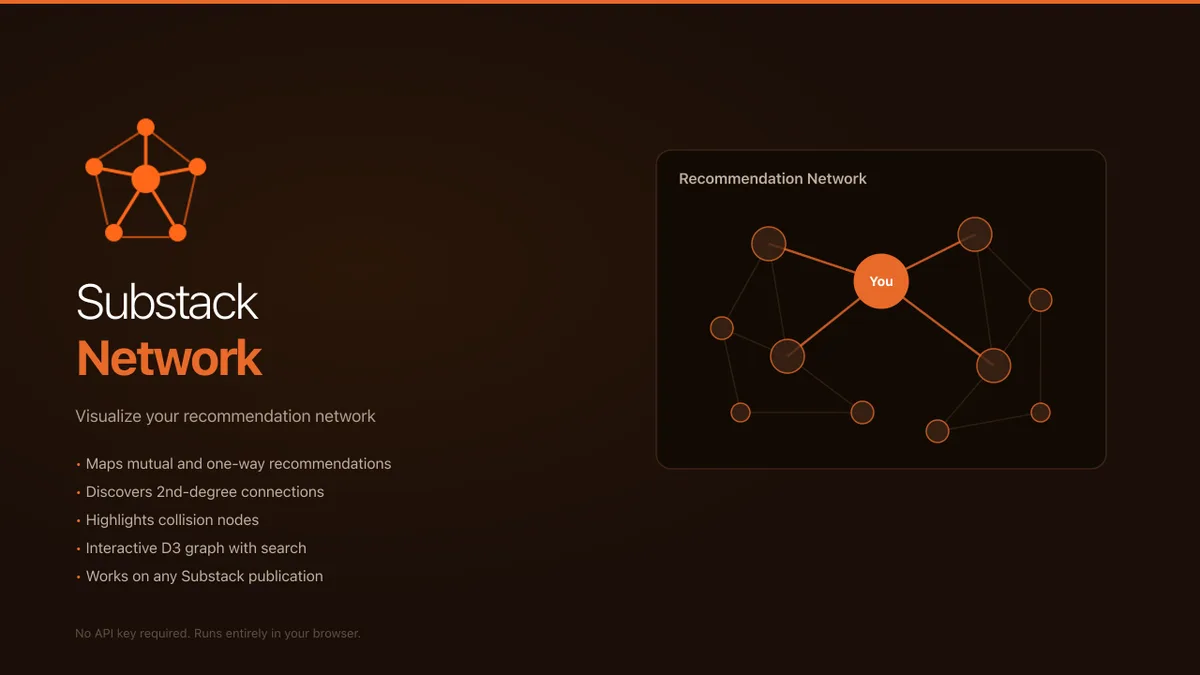
The build story behind Substack Network, a Chrome extension for visualizing recommendation connections.
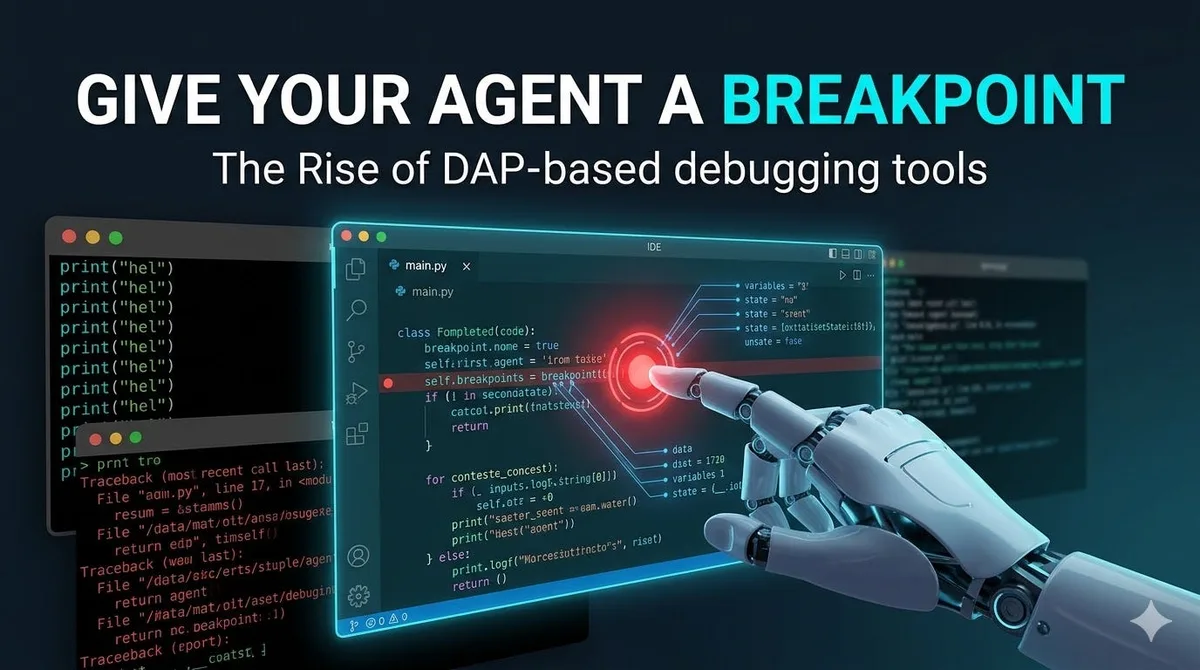
DAP-based debugging tools for AI coding agents: breakpoints, runtime state, and practical limitations.
An agent skill and DAP-based CLI for breakpoints, runtime state, and attach-to-process debugging across common languages.
AI code is exploding, but "Vibe Merging" is breaking production. A deep dive into the first neutral benchmark for Code Review agents: CodeRabbit, Cursor, Baz.
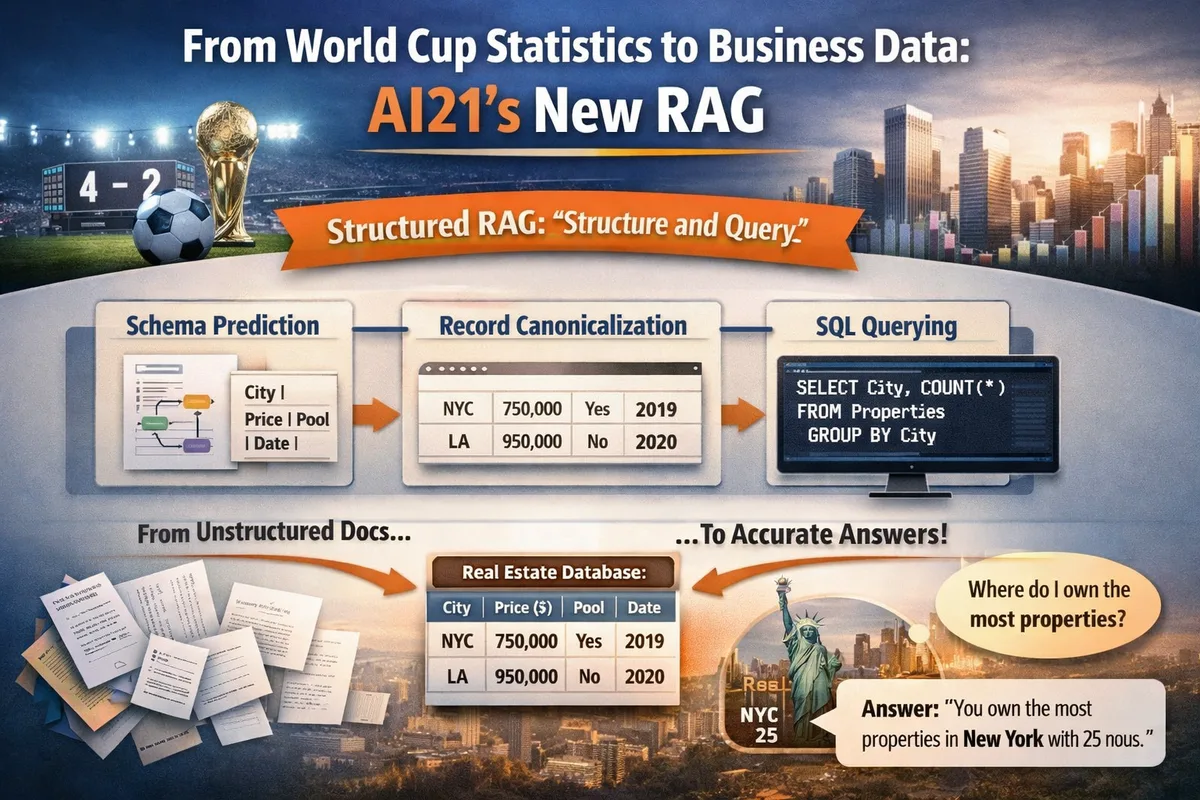
Coauthored with Mike Erlihson for Mathy AI. A hands-on review of Structured RAG for aggregative questions, with a reconstructed Colab implementation.
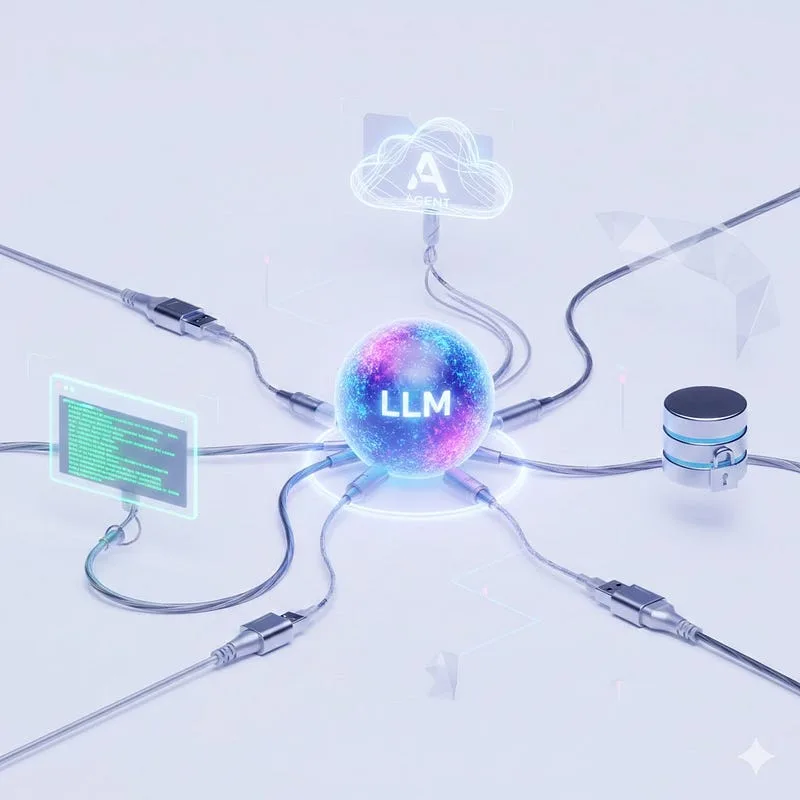
From LLMs to MCP and Skills: Understand the simple concepts powering Cursor, Windsurf, Copilot and Claude Code.

Discover why BERT and ModernBERT remain essential in 2026. Learn how encoders beat generative LLMs in latency, cost, and precision for production NLP tasks.
An explanation of temperature and sampling methods, published as a guest article at Decoding AI.
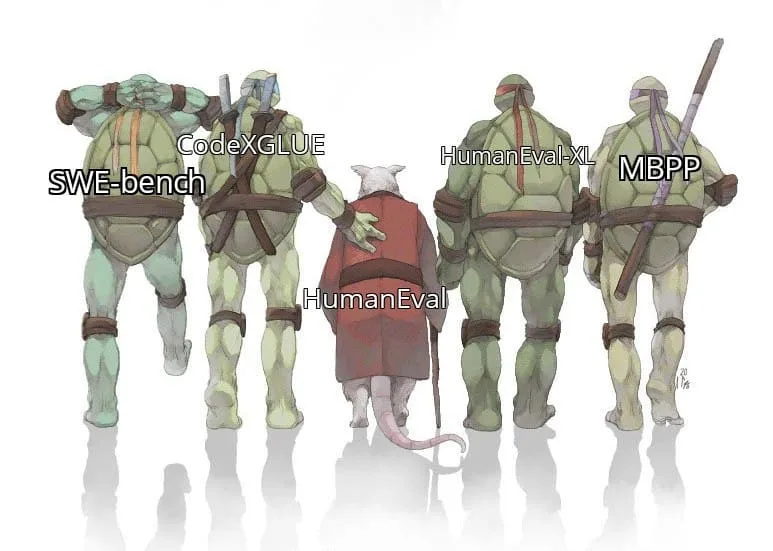
A practical introduction to HumanEval, with lessons from our TAU course project generating new programming exercises.
A TAU NLP course project that used HumanEval as a base for generating and evaluating new programming exercises.

Practical intro to adversarial ML. See how FGSM fools neural networks.
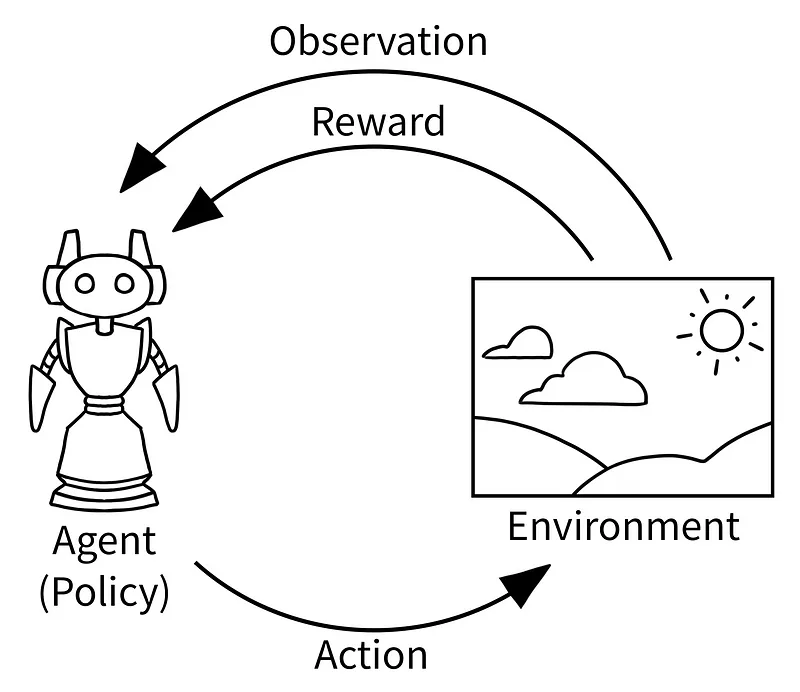
A practical reinforcement-learning tutorial using Gymnasium and CliffWalking.
A public research-code contribution exploring universal audio segments that can mute Whisper speech recognition.

A Hebrew podcast with Roy Benjamin and Shmulik Cohen about language models, personal agents, and using AI with independent judgment.
Try another word, or reset the filters.